Comprehensive Guide: What Is Coltan and How to Process It Efficiently?
In the modern industrial and tech-driven world, Coltan has become one of the most strategic mineral resources. As digital transformation accelerates globally, the demand for high-purity tantalum and niobium—both extracted from coltan—is skyrocketing.
If you are looking to maximize the recovery rate of your mining project, understanding the nature of coltan and its beneficiation process is essential.
What Is Coltan and Why Is It Valuable?
Coltan is short for columbite-tantalite. It is a dull black, high-density metallic ore from which the elements niobium (Nb) and tantalum (Ta) are extracted.
These two metals possess unique chemical and physical properties that make them indispensable in modern industry:
- Tantalum (Ta): The backbone of the electronics industry. Due to its exceptional energy storage capabilities, high strength, and corrosion resistance, it is widely used to manufacture capacitors for smartphones, laptops, automotive electronics, and advanced medical equipment.
- Niobium (Nb): Crucial for the metallurgical sector. Over 80% of global niobium is used as an alloying element to produce high-strength, low-alloy (HSLA) steel for aerospace, structural engineering, and pipelines.
Because raw coltan ore generally features a low grade and coexists with other heavy minerals (like tin and tungsten), deploying an advanced coltan beneficiation plant is the only way to achieve high-grade concentrates that meet global smelting standards.
Core Methods of Coltan Beneficiation
Processing coltan requires a combination of physical and magnetic techniques due to the high density of tantalum-niobium and their specific magnetic susceptibilities. The standard process involves:
- Washing & Desliming: Crucial for alluvial ores with high clay content. It prevents muddy materials from interfering with gravity separation.
- Crushing & Grinding: Breaking down large rocks or aggregates into optimal particle sizes to liberate target minerals without over-crushing.
- Gravity Separation: Utilizing density differences to separate heavy minerals (coltan, tin) from light waste rock (gangue).
- Magnetic Separation: Using high-intensity dry magnetic separators to isolate coltan from tin (cassiterite), iron, and other magnetic impurities.
Two High-Efficiency Coltan Processing Solutions
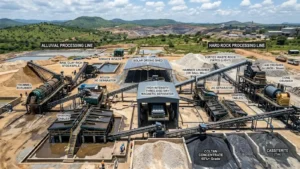
Depending on whether your raw material is loose alluvial deposit or hard rock, the plant configuration varies significantly. Here are two field-proven setups:
Solution 1: Alluvial Coltan & Tin Washing Plant
This configuration is designed for surface deposits, sand ores, and soft soils containing clay, where washing and gravity recovery are the priorities.
- Step 1: Feeding & Sizing: A Vibrating Feeder introduces the raw material into a Trommel Scrubber, which thoroughly washes away sticky mud and screens the material into different size fractions.
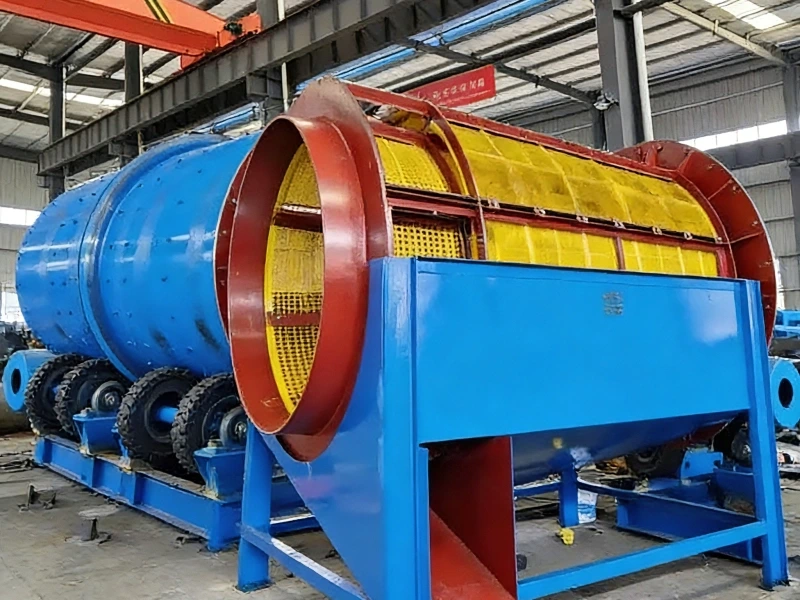
- Step 2: Rough Gravity Separation: The coarse, cleaned particles enter a Jig Separator (a powerful gravity machine) for rough concentration. The oversized chunks are further reduced using a Double Roller Crusher and a Vibrating Screen to a fine sizing (under 2mm).
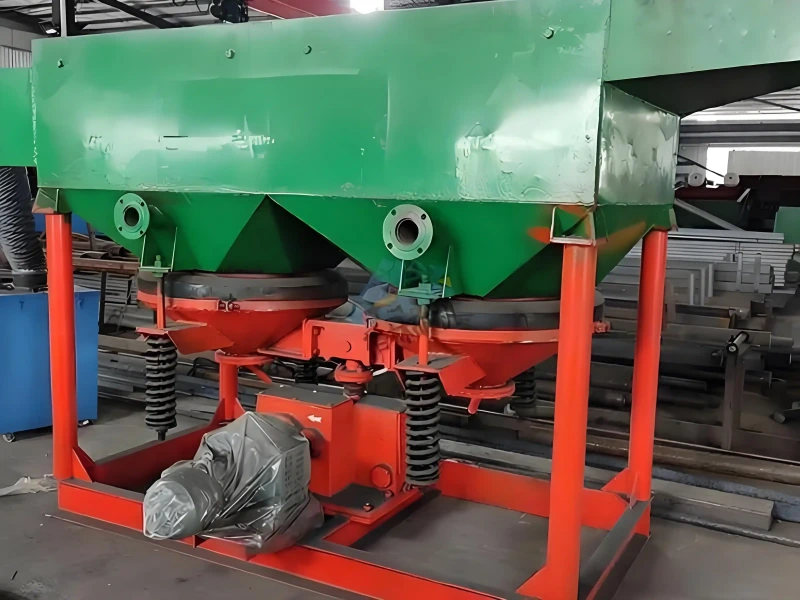
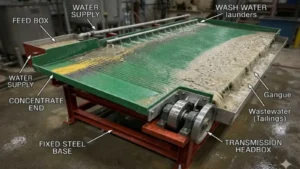
- Step 3: Fine Gravity Cleaning: Finer ores and the under-screen slurry pass to Shaking Tables, which offer an exceptionally high recovery ratio for fine-grained coltan and cassiterite (tin).
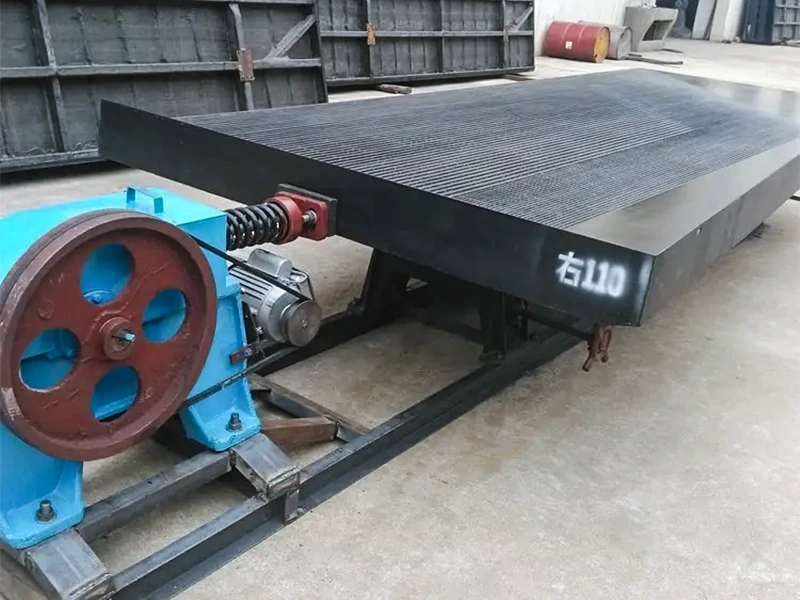
- Step 4: Sun Drying & Magnetic Cleaning: The collected wet concentrates are dried in the sun or a drying shed, then fed into a Three-Disc Dry Magnetic Separator to separate the pure coltan from the tin ore.
Solution 2: Hard Rock Coltan Crushing & Grinding Plant
This heavy-duty setup is customized for solid rock mines where minerals are tightly bound within host rocks.
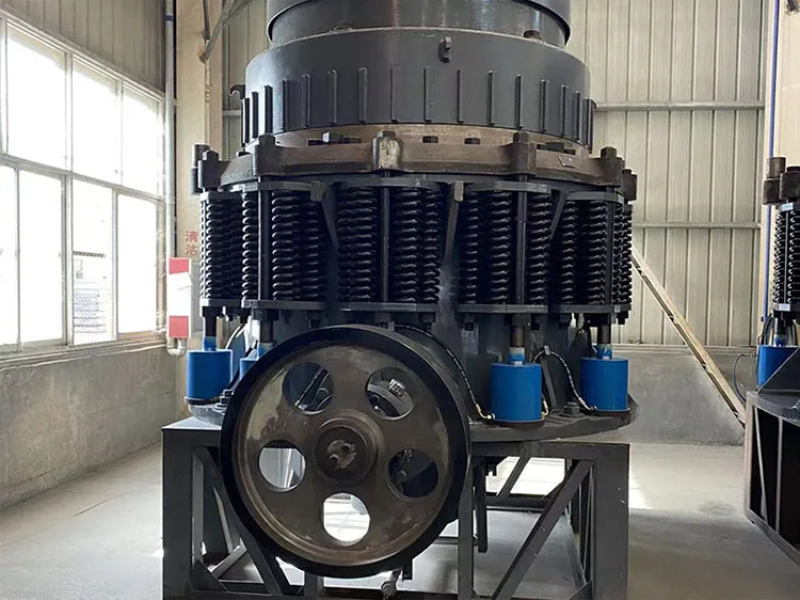
- Step 1: Multi-Stage Crushing: Raw rocks are fed into a Jaw Crusher for primary crushing, then transferred to a Cone Crusher for fine secondary crushing. A Vibrating Screen ensures only particles under 30mm move forward.
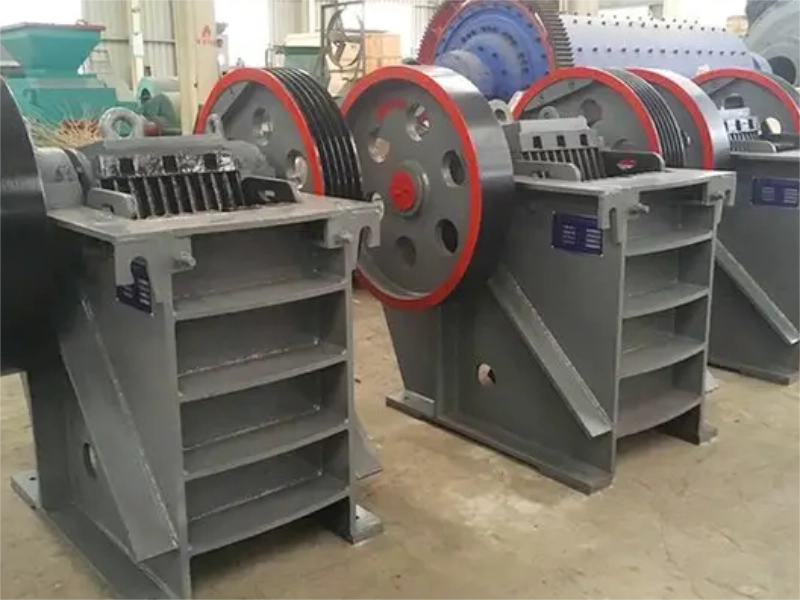
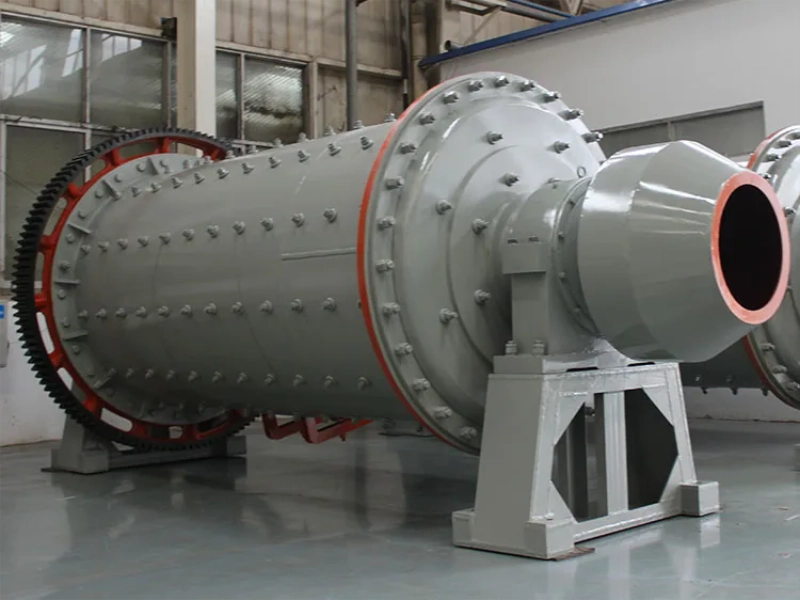
- Step 2: Fine Grinding: The 0-30mm material is stored in a bin and continuously fed into a Hammer Crusher (or Ball Mill) to be pulverized into a 0-2mm fine slurry, fully liberating the coltan minerals.
- Step 3: Dual-Stage Gravity Concentration: The 0-2mm slurry is pumped first to a Jig Separator to catch heavy elements. The discharge is then routed to a First-Stage Shaking Table, followed by a Second-Stage Shaking Table to re-process the middlings, achieving maximum recovery and purity.
- Step 4: Dewatering & High-Intensity Magnetic Separation: The high-purity mixture is dewatered via a Dewatering Screen and dried. Finally, a High-Intensity Three-Disc Dry Magnetic Separator processes the dry mixture. By adjusting the magnetic intensity, it cleanly separates iron, ilmenite, hematite, coltan, and tin, delivering final concentrates with grades up to 60% – 65%.
Upgrade Your Mining Project with Expert Solutions
Choosing the right equipment determines your mine’s profitability. Whether you are dealing with alluvial clay or complex rock formations, custom-engineered mineral processing lines maximize your recovery rates while lowering operational costs. Contact our technical team today to get a tailored processing flow sheet and equipment quotation!
Message us for more information
Hot News
-
08/09/2026
10 Critical Vetting & Shipping Factors When Importing Heavy Mining Equipment from China
-
07/06/2026
Why Cheap Mining Equipment Costs You More in High-Yield Gold Mines
-
06/09/2026
Comprehensive Guide: What Is Coltan and How to Process It Efficiently?
-
05/25/2026
How to Optimize Gold Shaking Tables for Max Recovery
-
05/23/2026
The Ultimate Guide to Choosing the Right Sand Making Machine: VSI, Impact, Box, or Hydraulic Open-Box Crusher?